

Apheresis · Taipei only
Therapeutic Plasma Exchange.
A physician-supervised blood-purification session on the Haemonetics MCS+ apheresis system — single needle, one arm, up to two hours.
The therapy
What this therapy is.
Plasma exchange separates the fluid part of your blood (plasma) from your cells. The plasma is discarded, sterile replacement fluid is added, and your own red and white cells are returned to circulation through the same fine needle in one arm. The Haemonetics MCS+ system runs this as a cyclic draw–separate–return process.
How the session runs
Step by step.
Every part of the session is decided by the treating physician. Nothing is booked from a menu.
-
01
Assessment & consent
A full physician review with recent bloodwork, cardiac and coagulation screen. We discuss what plasma exchange can and cannot do, and confirm suitability. Nothing is booked from a menu.
-
02
Preparation
You rest in a private suite. One fine intravenous access is placed in a single arm — there is no second needle in the opposite arm as with older systems. Vital signs are monitored continuously.
-
03
Cyclic apheresis
The MCS+ draws a small volume of blood, separates plasma from your blood cells, discards the plasma, and returns your cells to you — then repeats. The whole cycle runs through the one needle. A session takes about two hours at most.
-
04
Fluid replacement
As plasma is removed, sterile albumin and saline are infused as replacement so your blood volume stays balanced throughout the session.
-
05
Recovery & review
Brief post-procedure observation, hydration, and a written summary. Follow-up bloodwork is scheduled to guide any further sessions.
Why it’s built this way
The advantages.
-
Single-needle, one-arm access
One fine cannula in one arm for the whole session. Two-access systems typically require a needle in each arm and take three to four hours.
-
Up to two hours per session
Cyclic operation on the MCS+ keeps the session short and comfortable, under continuous physician supervision.
-
Continuous physician oversight
Every session runs in the Taipei clinic under a supervising physician — not delegated to a technician.
-
Lower circulating burden
Removes a portion of plasma-borne inflammatory and metabolic factors, so the load your liver, kidneys and immune system have to clear is reduced for a period after the session.
-
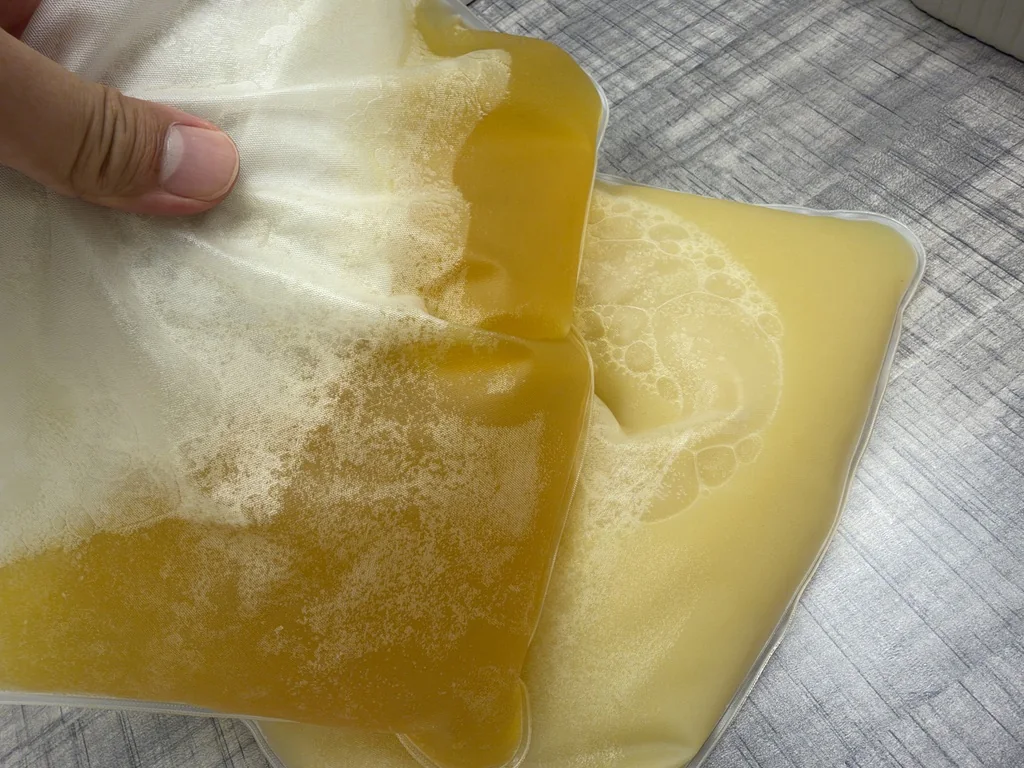
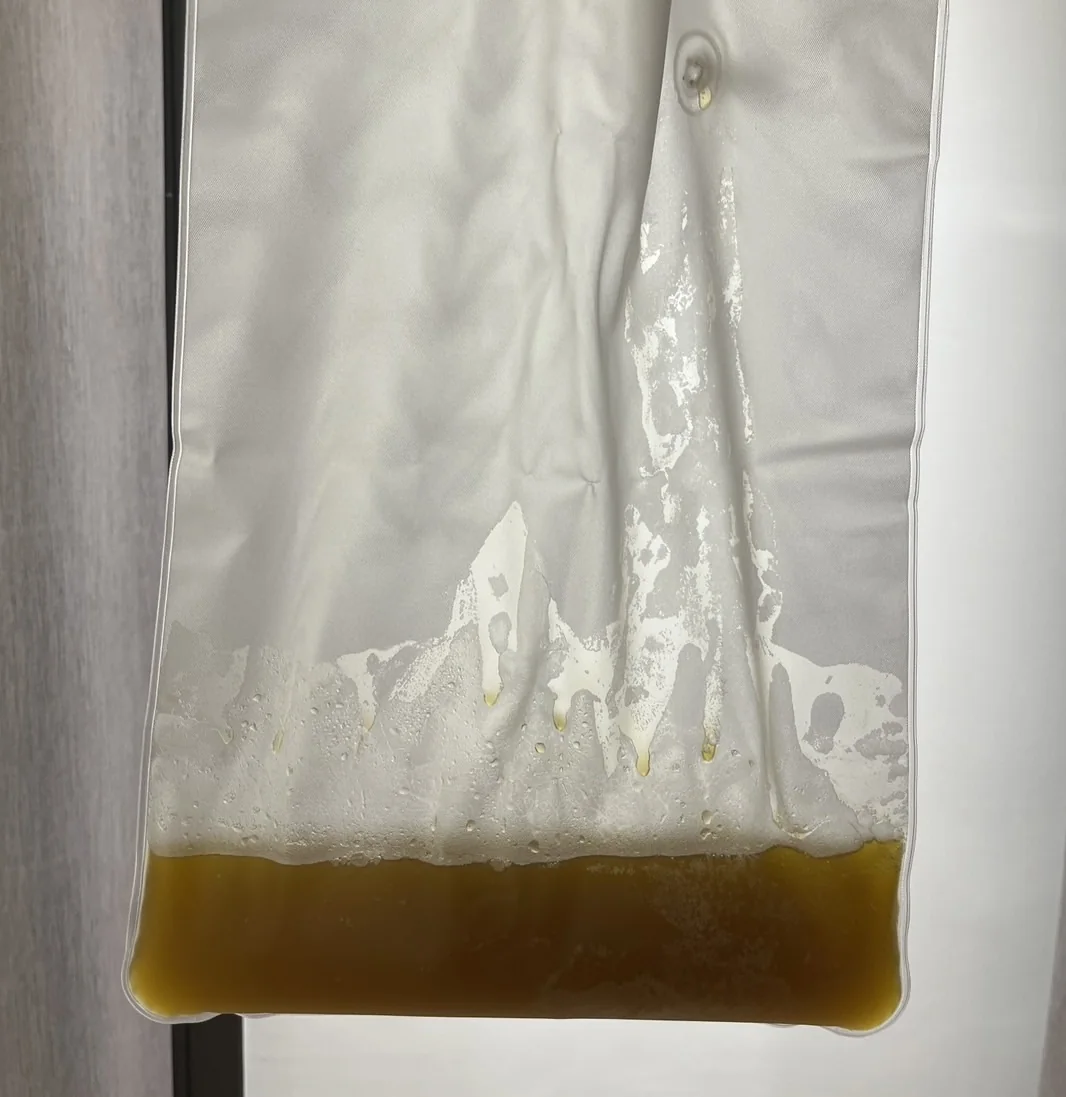
Collected plasma bags from real sessions. The difference in depth of color, clarity and cloudiness is the kind of visual signal the physician notes — then reads together with your bloodwork. What the bag color can tell us
The color of the removed plasma is a visible signal we look at during the session. A deeper, cloudier or more turbid bag can point to a higher circulating load of lipids, inflammatory mediators or metabolic waste — useful context, always read alongside your bloodwork by the physician.
Blood purification is offered only at the Taipei clinic. Bag color is one visual signal used during the session — it is interpreted by the physician together with your laboratory results, not on its own.
A note on sequence
Clear first, then build. A single stem cell infusion into an inflamed, burdened system is an expensive way to waste good biology.
Clearance first, regeneration second — which is why the intensive programmes run across days rather than single sessions.
Dr. Tony Su · R2-IWAA
Next step
See if this fits you.
Every advanced therapy is confirmed at consultation. Suitability, timing and any subsequent session are decided by your physician after reviewing your history and, where it changes the plan, your bloodwork.
One to one
Every plan begins with a conversation.
A private consultation with our medical team — your history, your goals, and an honest view of what is appropriate for you.
Request a consultation